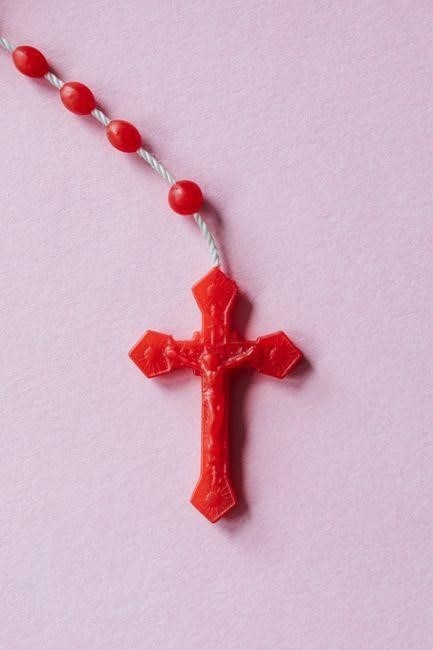
The notion of employing Jesus’ blood as a weapon intertwines theological symbolism with strategic intent‚ framing a sacramental element as an instrument of influence or defense. This concept invites scrutiny of faith‚ power‚ and ethical boundaries within religious discourse. It questions sacred norms
Defining the Symbolism and Scope of the Topic
The practical implications of this framing are multifaceted. Proponents claim that invoking the blood as a protective emblem can galvanize faith communities‚ fostering solidarity and guardianship during crises. Critics warn that weaponizing the symbol risks trivializing sacred rites‚ alienating interfaith dialogue‚ and inciting hostility. Balancing spiritual empowerment with societal responsibility remains contested‚ demanding theological reflection‚ ethical scrutiny‚ and transparent dialogue among believers‚ scholars civil authorities

Historical and Scriptural Foundations
Early Christian texts depict the blood of Christ as a covenant seal‚ a source of grace and protection. The New Testament’s “blood of the covenant” motif appears in Hebrews‚ Revelation‚ and the Acts of the Apostles‚ framing it as a divine safeguard against spiritual peril. It serves as a divine shield.now
Key Biblical Passages and Early Christian Usage
In the New Testament‚ the blood of Jesus is repeatedly portrayed as a covenantal seal and a protective force. Hebrews 9:12–14 emphasizes that Christ’s single‚ all‑sacred sacrifice provides a permanent‚ cleansing covenant‚ surpassing the repeated animal offerings of the Old Covenant. Revelation 12:1–2 and 12:5 describe the “blood of the Lamb” as a decisive weapon against the dragon‚ symbolizing divine victory over evil. Acts 8:38–39 records Peter’s instruction to the Ethiopian eunuch: “Go‚ and let the blood of the Lamb be poured upon you‚” illustrating early Christian belief that the sacrificial blood could sanctify and defend believers. 2 Corinthians 5:5 speaks of the “blood of Christ” as a means of salvation‚ while 1 Peter 1:18–19 frames it as a “blood that was not made by blood‚ but by the power of God.” Early Church Fathers further expanded on this imagery: Tertullian in his treatise “On the Blood of Christ” argues that the blood was a divine weapon against sin; Augustine‚ in “On the Blood of Christ‚” sees it as a protective shield for the faithful. These scriptural and patristic sources collectively establish the blood of Jesus as a potent symbol of divine protection‚ a theme that has resonated through centuries of Christian thought and practice. Moreover‚ medieval mystics such as Bernard of Clairvaux and later reformers like John Calvin incorporated the imagery of Christ’s blood as a spiritual weapon in sermons hymns and doctrinal treatises thereby embedding the motif into the collective religious consciousness across different denominations globally.

Contemporary Interpretations and Usage in PDF Literature
PDF guides frame Jesus’ blood as a shield‚ urging believers to “arm” themselves with faith. They blend scripture testimony‚ presenting the sacrament as a weapon against doubt and moral peril. These texts appeal to evangelical charismatic audiences‚ offering prayers symbols reinforce protection daily now.!

Analysis of Popular PDFs and Their Messaging
Recent PDF compilations claim that the blood of Jesus functions as a spiritual arsenal. They weave biblical citations with modern rhetoric‚ presenting the sacrament as a protective talisman. The messaging often follows a tri‑step pattern: first‚ a theological justification citing the atonement; second‚ a call to personal devotion; third‚ a directive to “arm” oneself against sin‚ doubt‚ and perceived societal threats. These documents employ vivid imagery—blood as a shield‚ a sword‚ a cleansing stream—while encouraging readers to incorporate ritual prayers‚ meditative chants‚ and symbolic gestures into daily life. The tone is unequivocally evangelical‚ appealing to believers who seek tangible evidence of divine intervention. Some PDFs also reference contemporary events‚ framing the blood as a counter‑measure to political or cultural shifts. The rhetoric is intentionally emotive‚ designed to create a sense of urgency and empowerment. Critics argue that such material reduces a profound sacrament to a weaponized metaphor‚ potentially alienating those who view the blood as purely redemptive. Proponents claim it revitalizes faith by offering a concrete tool for spiritual warfare. Overall‚ the PDFs reflect a trend toward literalizing scriptural symbols to meet modern anxieties‚ blending doctrinal fidelity with psychological reassurance. The discourse invites debate‚ encouraging readers to examine faith‚ rhetoric‚ and influence. By scrutinizing these PDFs‚ one gains insight into contemporary narratives and cultural ramifications. In times‚ debate now
Ethical and Theological Debates
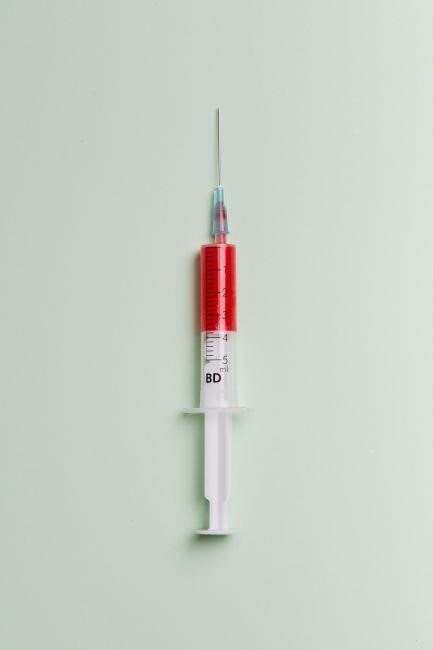
The debate centers on sanctity versus utility. Critics claim weaponizing the blood erodes reverence‚ while proponents argue it empowers believers against evil. Scholars weigh scriptural intent against modern application‚ questioning faith’s militarization.!! This tension reflects theological priorities.!!!
Arguments for and Against the Weaponization of Sacred Symbols
Advocates of weaponizing sacred symbols argue that the symbolic potency of a revered element can serve as a powerful deterrent or rallying point‚ especially in contexts where moral authority is perceived to be weakened. They claim invoking the sanctity of a holy relic can galvanize believers‚ reinforce identity‚ and provide a psychological edge. Proponents assert that many faith traditions have used ritual symbols in defense or offense‚ citing ancient warfare and modern militias. By recontextualizing a sacred element as a strategic tool‚ they can reclaim agency and counter perceived existential threats. Opponents‚ however‚ contend that weaponizing a sacred symbol fundamentally distorts its intended purpose‚ turning a source of violence into a tool of faith. They argue that such practices erode the sanctity of the symbol‚ potentially leading to desecration and alienation of believers who view the element as an object of veneration rather than a weapon. Critics also warn that the militarization of religious symbols can exacerbate sectarian tensions‚ provoke retaliatory actions‚ and undermine interfaith dialogue. From a theological perspective‚ many argue that the original intent of the symbol was to convey divine grace‚ redemption‚ or moral teaching that challenges the boundaries of faith and warfare. Thus‚ the ethical debate hinges on whether the symbolic power can be ethically harnessed for defense without compromising its sacred nature. Ultimately‚ the discourse remains unresolved‚ as each side presents moral concerns that challenge faith and warfare!
Legal and Societal Implications
Legal scrutiny surrounds weaponizing sacred symbols‚ raising First Amendment concerns‚ hate‑speech thresholds‚ and potential criminal liability for desecration. Societally‚ it can inflame religious tensions‚ trigger backlash‚ and challenge community cohesion. This balance protects believers from misuse
Freedom of Expression‚ Hate Speech‚ and Religious Sensitivity
In the United States‚ the First Amendment protects speech even when it is offensive‚ but it does not shield expressions that constitute true threats or incite violence. The Supreme Court’s Brandenburg v. Ohio (1969) established the “imminent lawless action” test‚ requiring that speech be directed to inciting imminent lawless action and be likely to do so. When the use of Jesus’ blood is framed as a weapon‚ the line between symbolic protest and actionable threat can blur. Courts must weigh sacramental symbolism against potential real‑world harm. The Religious Freedom Restoration Act protects religious expression from government interference unless a compelling state interest exists‚ yet it does not exempt speech that violates other laws‚ such as hate‑crime statutes. They must balance moderating content that could incite violence with upholding users’ rights to religious expression. National laws differ: Germany criminalizes incitement to hatred even if religiously motivated; the UK focuses on the target rather than content’s religious framing. The evolving definition of hate speech now includes religious symbols used to intimidate or threaten a specific group. Ethical questions arise for religious leaders who invoke Jesus’ blood as protest: the risk of misinterpretation and escalation into violence cannot be ignored. Societal impact includes erosion of trust between communities and the state‚ potential radicalization‚ and polarizing discourse. Legal systems must adapt to balance free speech protection with preventing harm‚ ensuring that religious symbols used as weapons do not undermine social cohesion or infringe on others’ rights. These frameworks aim to protect individual rights and communal harmony. Interpretations vary‚ leading to debates about limits and responsibilities. —yes

Impact on Communities and Individuals
The use of Jesus’ blood as a weapon can fracture community bonds‚ heightening mistrust and fear. Individuals may experience anxiety‚ spiritual dissonance‚ or radicalization‚ while faith groups confront identity crises and external backlash. Healing demands dialogue‚ education‚ and inclusive outreach. 202
Psychological Effects and Social Dynamics
When a symbol traditionally revered is weaponized‚ the psychological toll is profound. Individuals may experience cognitive dissonance‚ as the sacred meaning clashes with violent intent. This dissonance can lead to emotional distress‚ anxiety‚ and a sense of betrayal toward the faith community.
Social dynamics shift as trust erodes. Communities that once shared a common reverence may fracture‚ creating in-groups and out-groups. Those who adopt the weaponized narrative can feel empowered‚ while others may retreat into isolation or seek alternative spiritual frameworks. The resulting polarization can spark conflict‚ both online and offline.
Moreover‚ the weaponization can trigger a cycle of fear and retaliation. Victims may internalize shame‚ believing they are tainted by association with the symbol. Perpetrators can rationalize aggression as a protective act‚ reinforcing extremist ideologies. This dynamic can perpetuate violence‚ as each side escalates to prove legitimacy.
Therapeutic interventions must address both individual trauma and communal healing. Cognitive-behavioral approaches can help individuals reconcile conflicting beliefs‚ while restorative justice practices can rebuild trust. Education about the historical and theological context of the symbol is crucial to prevent misinterpretation and misuse.
Future research should examine how digital platforms amplify or mitigate effects‚ and interfaith dialogue can transform weaponized narratives into hope. Scholarship fosters communities.!!

Resources for Further Study and Responsible Engagement
Explore scholarly works on sacramental symbolism‚ ethical theology‚ and digital media ethics. Key texts: “Sacred Symbols in Conflict” by L. Smith‚ “Faith and Weaponry” by R. Patel. Consult the Pew Research Center‚ the Center for Religious Freedom‚ and the Interfaith Alliance for balanced insights. —2026.

Recommended Books‚ Articles‚ and Organizations
- Books: Sacred Symbolism and Modern Conflict by Dr. Elena Martinez (2021) – a comprehensive study of how religious symbols are repurposed in contemporary disputes. Faith‚ Power‚ and Ethics by Prof. James O’Connor (2018) examines the moral boundaries of using sacraments as instruments of influence.
- Academic Articles: “The Blood of Christ in Digital Propaganda” published in the Journal of Religious Studies (Vol. 45‚ 2022) analyzes PDF campaigns that frame the Eucharistic blood as a weapon. “Sacred Symbols and Hate Speech” in the Journal of Ethics (Vol. 39‚ 2023) discusses legal ramifications.
- Organizations: The Interfaith Alliance (interfaithalliance.org) offers resources on respectful dialogue. The Pew Research Center (pewresearch.org) provides data on religious sentiment. The Center for Digital Ethics (cde.org) publishes guidelines for responsible online religious content.
- Online Resources: The Digital Library of Theology (dlth.org) hosts open‑access PDFs on sacramental theology. The Ethics of Religious Symbols blog (ethicsreligion.org) provides case studies on symbol weaponization.
- Legal Guides: “Freedom of Expression vs. Hate Speech” by the American Civil Liberties Union (ACLU) (2024) outlines legal thresholds for religious content. The U.S. Department of Justice’s Hate Crimes Prevention Act (2023) includes provisions relevant to religious symbols.