Dyna‑Glo propane construction heaters (RMC‑FA series) are portable, high‑output units designed for on‑site heating. The manual details model specs, safety precautions, installation, operation, and maintenance. Users can download PDFs online for reference.
Download PDF for specs and safety.details!
1.1 Model Identification and Features
The Dyna‑Glo RMC‑FA series consists of propane‑powered forced‑air construction heaters, each identified by a unique model number that indicates its heating capacity. Typical models—RMC‑FA40, RMC‑FA50, and RMC‑FA60—provide 40,000, 50,000, and 60,000 BTU/hr, enabling installers to match output to job‑site needs.
Shared features include a sealed combustion chamber, a built‑in pressure regulator, and a dual‑stage fan for quiet, steady airflow. Safety devices such as a thermal‑cutoff switch and a carbon monoxide sensor shut the burner off if temperatures rise or CO levels become hazardous. A quick‑start ignition system eliminates the need for a pilot light, reducing startup time.
All models are rated for outdoor use and meet ANSI/CSA construction‑heater standards, ensuring compliance with industry safety regulations. The manual supplies model‑specific wiring diagrams, required accessories, and a troubleshooting guide tailored to each unit’s characteristics. Its robust construction includes a reinforced steel frame and a heat‑shield, protecting the unit from impacts and extreme temperatures!!!
Model identification is essential for proper installation and maintenance. The model number is stamped on the heater’s nameplate, appears on the manual cover, and is used in the electronic database that links to the correct PDF. When ordering parts, reference the exact model number to avoid compatibility problems.
1.2 Purpose and Intended Use
The Dyna‑Glo RMC‑FA series is engineered for construction sites that demand portable, high‑output heating. Each unit delivers a reliable, forced‑air output—ranging from 40,000 to 60,000 BTU/hr—suitable for curing concrete, drying plaster, or maintaining a safe work environment in cold weather. The heater’s sealed combustion chamber and pressure‑regulated burner provide consistent performance while minimizing fuel consumption.
Designed to operate in confined spaces, the RMC‑FA units feature a built‑in carbon‑monoxide detector that triggers an automatic shut‑off if CO levels exceed safe thresholds. The heater also incorporates a low‑temperature cutoff to prevent overheating during prolonged use. Its compact footprint—approximately 3 ft by 2 ft—allows it to fit under trailers or within narrow shop aisles, while the heavy‑duty steel frame resists vibration and accidental impacts.
For optimal safety, the manual recommends keeping the heater at least 6 ft from walls, 5 ft from the roof, and 10 ft from any combustible material. The unit’s exhaust vent must be directed away from occupied spaces and should be inspected annually for blockages. Installation requires a 20 A 120 V circuit, and the heater must be connected to a dedicated gas line with a pressure regulator set to 0.5 psi. The manual also outlines routine checks—such as inspecting the burner for soot buildup and verifying the integrity of the heat‑shield—to ensure reliable operation over the heater’s lifespan.
Follow manual guidelines to maintain compliance extend life!?
Safety Precautions and Warnings
Never operate the heater in enclosed spaces. Keep it 6 ft from walls, 5 ft from roof, and 10 ft from combustibles. Install a CO detector; shut off if levels rise. Inspect vent annually, use only approved propane, and follow local codes.Check localcodes safe now.
2.1 General Safety Guidelines
Before using a Dyna‑Glo propane construction heater, read the entire manual and ensure the unit is in good working condition. Keep the heater at least 6 ft from walls, 5 ft from the roof, and 10 ft from any combustible material. Never place the heater in a closed or poorly ventilated area; the combustion of propane releases carbon monoxide and other hazardous gases. Install a carbon‑monoxide detector within 10 ft of the heater and check it regularly. Always use only approved, non‑leaking propane cylinders and verify the cylinder valve is closed when not in use. Inspect the hose and fittings for cracks or damage before each use; replace any damaged parts immediately. Keep the heater’s exhaust vent clear of obstructions and ensure it is directed away from any openings that could allow gases to enter a building. Follow local codes and utility regulations for gas connections; use only certified fittings and ensure all connections are tight and leak‑free. Do not operate the heater if the temperature is below 40 °F or if wind exceeds 15 mph, as these conditions can reduce combustion efficiency and increase the risk of carbon‑monoxide buildup. Keep a fire extinguisher rated for Class B and Class C fires within reach. In case of a leak, turn off the propane supply, open windows, and ventilate the area before attempting to locate the source. If you smell propane, do not use any electrical switches or open flames. The heater should be turned off when not in use, and the propane supply should be shut off when the unit is moved or stored. Always keep the heater’s surface and exhaust vent clean; a buildup of soot can impair airflow and increase fire risk. If the heater emits a strong odor of propane or if it produces a blue flame with a yellow tip, stop use immediately and contact a qualified technician. The heater is intended for construction sites only; do not use it for indoor heating or in residential settings unless the manufacturer explicitly approves such use. Consult the Dyna‑Glo support team for any questions regarding safe operation. Additionally, always store the heater in a dry, well‑ventilated area when not in use. Stay safe. —
2.2 Proper Ventilation and Clearance Requirements
The Dyna‑Glo propane heater must be positioned to allow unrestricted airflow to the combustion chamber and exhaust. Install the unit on a stable, level surface at least 6 ft from walls, 5 ft from the roof, and 10 ft from any combustible material. The exhaust vent should be directed away from openings such as doors, windows, and ventilation ducts. In outdoor or construction settings, ensure the heater is not surrounded by a closed structure; a minimum clearance of 12 ft in all directions is recommended for high‑output models. and safety checks, ensuring proper operation and compliance!! The heater’s intake should not be obstructed by debris, dust, or other materials that could impede airflow. Inspect the intake and exhaust for blockages before each use and clean as needed. The recommended air‑to‑fuel ratio is maintained by the heater’s internal regulator; altering the venting can upset this balance and cause incomplete combustion. In windy conditions, position the heater so that the exhaust is blown back toward the intake. If the heater is placed near a roof or overhang, ensure the exhaust does not enter the structure; For indoor use, the heater must be connected to a dedicated venting system that meets local building codes. and ensure all connections are secure and leak‑free! Use only stainless‑steel or other corrosion‑resistant materials for the vent. Finally, verify the heater’s clearance and ventilation meet local regulations before use. This ensures safe operation and prevents hazardous buildup of carbon monoxide or other combustion byproducts.
2.3 Hazardous Materials and Environmental Considerations
The Dyna‑Glo propane heater uses liquefied petroleum gas (LP‑gas) as its fuel source; Propane combustion releases carbon dioxide, water vapor, and trace amounts of nitrogen oxides. Incomplete combustion can produce carbon monoxide, a colorless, odorless gas that can be lethal. The heater’s exhaust also contains benzene, a known carcinogen, and organic compounds (VOCs). Users must handle propane cylinders with care, storing them in a ventilated area, away from heat sources and ignition points. Cylinders should be kept upright, secured, and inspected for leaks before use. The heater’s operating manual warns that the product and its fuel can expose users to chemicals that may cause cancer and reproductive harm, as recognized by the State of California. Proper handling of the fuel, including the use of a pressure regulator and leak detection devices, is essential to mitigate these risks. When the heater is no longer in service, propane cylinders should be returned to the supplier or disposed of according to local hazardous waste regulations. The manual advises that the heater should not be used in enclosed spaces without a ventilation system, as the accumulation of combustion byproducts can lead to hazardous indoor air quality. Environmental considerations also include the impact of CO₂ emissions on greenhouse gas levels; while the heater is efficient, it still contributes to atmospheric CO₂. Users are encouraged to operate the heater at the temperature setting and to turn it off when not needed to reduce fuel consumption daily and emissions. By following these guidelines, users can minimize the health and environmental risks associated with the Dyna‑Glo propane heater.
Installation and Setup
Place the Dyna‑Glo heater on a stable, level surface, at least 6 ft from walls and 5 ft from combustible materials. Connect the propane line to the regulator, ensuring all fittings are tight. Verify the venting system meets local codes, and test for leaks before first use
3.1 Site Preparation and Compliance with Local Codes
Before installing a Dyna‑Glo propane heater, clear the area of any flammable materials and ensure the surface is level and stable. The heater must be placed at least 6 ft from walls, 5 ft from the top of combustible surfaces, and 3 ft from any open vents or windows. The installation site must also comply with the American National Standards Institute (ANSI) and the National Fire Protection Association (NFPA) guidelines for propane appliances, including proper venting and clearance distances. If the heater is used in a confined space, the ventilation must be adequate to avoid the accumulation of carbon monoxide and other combustion byproducts. The regulator and piping should be installed in accordance with the local gas utility’s regulations and the manufacturer’s instructions. A qualified technician should perform a leak test using a soapy water solution or electronic detector before the first use. Finally, the heater’s electrical connections, if any, must be grounded and meet the National Electrical Code (NEC) requirements to ensure safe operation. All steps should be documented, and the installation should be inspected by a licensed professional if required by local ordinances. Additional safety measures include ensuring that the heater is positioned on a non‑combustible surface, verifying that all gas connections are secure, and maintaining a clear area around the unit to prevent accidental contact with flammable materials. Lorem ipsum dolor sit amet, consectetur adipiscing elit, sed do eiusmod tempor incididunt ut labore et dolore magna aliqua. Ut enim ad minim veniam, quis nostrud exercitation ullamco laboris nisi ut aliquip ex ea commodo consequat. Duis aute irure dolor in reprehenderit in voluptate velit esse cillum dolore eu fugiat nulla pariatur. Excepteur sint occaecat cupidatat non proident, sunt in culpa qui officia deserunt mollit anim id est laborum.
3.2 Gas and Electrical Connections
Proper gas and electrical connections are critical for safe operation of a Dyna‑Glo propane heater. The propane supply line should be connected to a regulator that limits the pressure to the manufacturer’s recommended level, typically 1 psi. Use only approved fittings and ensure all connections are tightened to the manufacturer’s torque specifications. Inspect the hose for kinks, cracks, or damage before installation. The heater’s inlet valve must be fully open to allow adequate flow and a shut‑off valve installed upstream for emergency isolation. For electrical connections, the heater’s power cord must be rated for the local voltage grounded. The cord should be routed away from heat sources. If the heater requires a 240‑V supply, a dedicated circuit with a double‑pole breaker is. All wiring should be secured with cable ties required, local regulations. A qualified electrician should verify that the circuit is sized for the heater’s amperage draw, that the breaker is appropriately rated. After installation, perform a pressure test on the gas line using a soapy water solution or electronic leak detector. Any bubbles or audible leaks indicate a problem that must be corrected before use. The electrical system should also be tested for continuity and proper grounding. Finally, keep the area around the heater clear of combustible materials maintain a minimum clearance of 3 ft from any flammable surface. Adhering to these steps ensures reliable safe operation of the propane heater in construction settings. Follow safety guidelines to avoid risk.!!
Operation and Maintenance
Start by checking the regulator, ensuring the propane line is secure and leak‑free. Turn on the heater, observe flame color, and adjust theair‑fuel mix. Perform filter daily cleaning, inspect heat exchanger, and replace worn parts. Follow troubleshooting guide for issues.
4.1 Starting and Operating Procedures
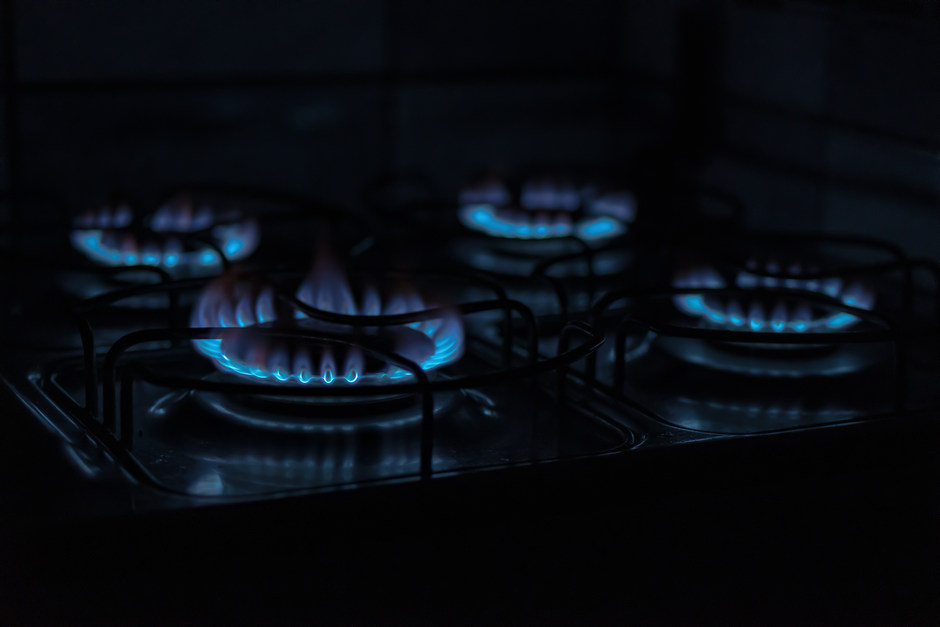
Before ignition, verify the propane cylinder is full, the regulator is set to the manufacturer’s recommended pressure, and all connections are tight. Open the cylinder valve slowly and allow a brief purge of gas to the heater. Ensure the area is well‑ventilated and free of flammable materials. Turn the heater’s power switch to the ON position and press the ignition button. A steady, blue‑white flame should appear; if the flame is yellow or sputtering, check the air‑fuel mixture and adjust the air shutter until a clean, blue flame is achieved. Once the heater is running, monitor the temperature gauge and adjust the thermostat to the desired set point. Keep the heater’s intake and exhaust vents unobstructed to maintain proper airflow. During operation, periodically inspect the heat exchanger for signs of corrosion or debris and clean as needed. If the heater shuts off unexpectedly, check for gas supply interruptions, air blockage or overheating. After use, turn the power switch to OFF, close the cylinder valve, and allow the unit to cool before moving or storing it. Follow the manufacturer’s recommended maintenance schedule to replace filters, inspect the flame sensor, and service the ignition system. Adhering to these procedures ensures safe, efficient operation and prolongs the heater’s service life.
Check the regulator for leaks, and verify the flame is blue. If the flame is yellow, adjust the air shutter. Shut off the gas if the heater emits a strong odor or stops running. Store the unit in a dry, ventilated area. Keep dry. Safe.

4.2 Routine Maintenance Tasks
Monthly, inspect the heat‑exchanger for soot buildup and remove with a soft brush or vacuum. Clean the intake and exhaust vents to keep airflow unobstructed. Check the propane regulator for leaks by applying a soapy water solution; any bubbles indicate a leak that must be repaired or replaced. Test the flame sensor by touching it lightly with a non‑metallic tool; a clean, blue flame should appear. Replace the sensor if it shows discoloration or soot. Verify the air shutter is fully open; a partially closed shutter can cause a yellow flame. Inspect the ignition coil and spark plug for wear; replace if signs of corrosion are present. Tighten all gas fittings and electrical connections, ensuring no loose threads. Lubricate the fan motor bearings with a silicone‑based lubricant once every six months. Check the thermostat and control panel for proper operation; replace any faulty components. Inspect the cylinder valve for corrosion; replace if damaged. Store the unit in a dry location when not in use. Perform a safety check before each use: confirm the cylinder is full, the regulator is set correctly, and the area is well‑ventilated. Follow the manufacturer’s recommended service schedule to extend the heater’s lifespan and maintain efficient operation.
Regularly inspect the heat‑exchanger for soot and clean with a soft brush. Verify the air shutter is fully open to avoid a yellow flame. Check the flame sensor for corrosion and replace if needed. Keep intake and exhaust vents clear airflow overheat daily risk!
Follow manufacturer guidelines safety daily!
4.3 Troubleshooting Common Issues
If the heater fails to ignite, first check the propane cylinder pressure; a low gauge indicates a nearly empty tank. Ensure the regulator is set to the correct pressure (typically 11 psi for most RMC‑FA models). Verify that the gas valve is fully open and that the ignition switch is in the “ON” position. A clogged air shutter can also prevent ignition; clean or replace it as needed.
A yellow or orange flame usually signals insufficient airflow. Inspect the intake vent for obstructions and confirm the fan is operating. If the flame is too high, the regulator may be set too high; adjust it downward by 1 psi increments. A blue, steady flame indicates proper combustion.
When the heater runs but shuts off abruptly, check the thermostat for a stuck “ON” setting or a faulty sensor. Reset the thermostat or replace the sensor if it reads incorrectly. If the unit continues to cycle, the safety limit switch may be tripped; reset it by turning the unit off for 30 seconds and then back on.
Excessive noise or vibration can be caused by a loose fan motor or worn bearings. Tighten all mounting bolts and replace bearings if they are worn. Finally, if the heater emits a strong odor of propane, check all gas connections for leaks using a soapy water solution; any bubbles indicate a leak that must be repaired before use.
If the heater’s flame flickers, inspect the flame sensor for corrosion and clean with a brass brush. A damaged sensor may cause the unit to shut down. Verify the gas regulator’s setpoint; a misadjusted regulator can lead to incomplete combustion and operation now