
Understanding Trailer Tire Sizes: A Comprehensive Guide (2026)
Navigating trailer tire sizing requires understanding load ranges‚ dimensions‚ and markings – crucial for safety and performance.
This guide‚ updated for 2026‚ details everything you need to know!
Selecting the correct trailer tire size is paramount for safe and efficient towing. It’s more than just matching a number; it involves understanding a complex system of markings and ratings. These markings reveal vital information about the tire’s capacity‚ dimensions‚ and construction.
Ignoring proper sizing can lead to several issues‚ including reduced handling‚ premature tire wear‚ and even catastrophic tire failure. This guide aims to demystify the process‚ providing a comprehensive overview of trailer tire sizing as of 2026. We’ll explore how to decode tire sidewall markings‚ interpret load range charts‚ and choose the right tire for your specific trailer and hauling needs.
Furthermore‚ we’ll touch upon recent additions to popular tire lines‚ like the Cooper Roadmaster RM272 series‚ and discuss emerging market trends in trailer wheel sizes.
Why Correct Tire Size Matters
Utilizing the correct trailer tire size directly impacts safety‚ handling‚ and the longevity of both your tires and trailer. Incorrect sizing compromises the vehicle’s stability‚ particularly at higher speeds or during emergency maneuvers. Underinflated or improperly sized tires generate excessive heat‚ increasing the risk of blowouts and potentially causing accidents.
Moreover‚ mismatched tires can lead to uneven wear‚ requiring more frequent replacements and increasing overall operating costs. Accurate tire sizing ensures optimal load distribution‚ preventing stress on the trailer’s axles and suspension. Impact damage‚ exacerbated by incorrect sizing‚ can also lead to alignment issues and further tire degradation.

Ultimately‚ adhering to manufacturer specifications and understanding load ratings are crucial for a secure and reliable towing experience.
Decoding Trailer Tire Markings
Trailer tire sidewalls display a series of alphanumeric codes revealing vital information. For example‚ “295/75R22.5 LR H” breaks down as follows: 295 is the tire width in millimeters‚ 75 represents the aspect ratio (sidewall height as a percentage of width)‚ and R denotes radial construction. 22.5 indicates the wheel diameter in inches.

The “LR H” signifies the load range‚ with ‘H’ denoting a specific load-carrying capacity. A tire’s load index‚ a numerical value‚ further clarifies its maximum weight capacity. Understanding these markings is essential for selecting tires that match your trailer’s weight and operational demands. Always refer to the tire manufacturer’s specifications for detailed interpretations.
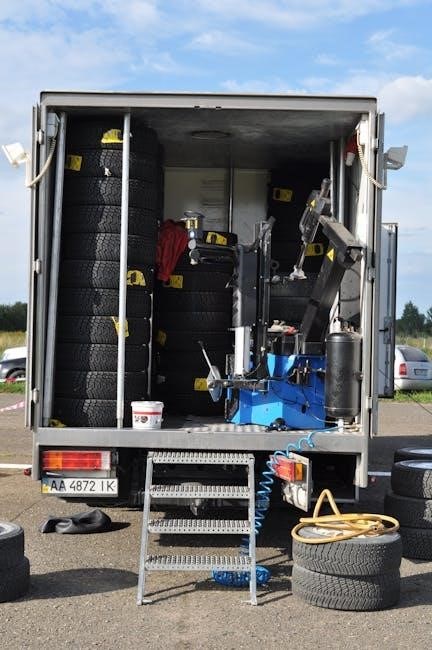
Ignoring these codes can lead to unsafe towing conditions and premature tire failure.

Standard Trailer Tire Sizes
Common trailer tire sizes vary based on application‚ ranging from light-duty options to larger dimensions for travel and utility trailers. Selecting the correct size is key!
Common Trailer Tire Sizes for Light-Duty Trailers
For light-duty trailers‚ such as those used for small utility purposes or recreational equipment‚ several tire sizes are frequently employed. ST205/75R14 and ST205/75R15 are exceptionally popular choices‚ offering a balance of load capacity and maneuverability for smaller trailers; ST175/80R13 is another common size‚ often found on single-axle utility trailers.
These tires generally feature a load range of B or C‚ suitable for lighter loads. It’s crucial to verify the trailer’s weight capacity and match the tire’s load index accordingly. Furthermore‚ considering the terrain and typical usage conditions will help determine the most appropriate tire size for optimal performance and safety. Always prioritize tires specifically designed for trailer applications‚ denoted by the “ST” prefix‚ as they are built to withstand the unique stresses of trailer use.
Popular Sizes for Travel Trailers
Travel trailers‚ due to their varying weights and sizes‚ utilize a broader range of tire dimensions. ST225/75R15 is a widely used size‚ providing a good balance of load capacity and handling for many mid-sized travel trailers. ST235/85R16 is also extremely popular‚ particularly for heavier trailers requiring increased stability and durability.
Larger travel trailers often employ sizes like ST245/75R17 or even ST255/70R18 to accommodate their substantial weight. Load range D or E is typical for travel trailer tires‚ ensuring sufficient support for the trailer’s load. Proper tire inflation and regular inspections are paramount for travel trailers‚ as they often cover long distances and encounter diverse road conditions. Selecting the correct size and load range is vital for a safe journey.
Sizes for Utility and Cargo Trailers
Utility and cargo trailers generally require tires focused on durability and load-carrying capacity. ST175/80R13 is a common size for smaller‚ lighter-duty utility trailers‚ offering a cost-effective solution for basic hauling needs. ST205/75R14 and ST205/75R15 are frequently found on medium-sized cargo trailers‚ providing a good balance between load capacity and maneuverability.
Heavier cargo trailers‚ or those frequently carrying substantial loads‚ often utilize sizes like ST225/75R15 or ST235/85R16. Load range C‚ D‚ or E is typical‚ depending on the trailer’s gross vehicle weight rating (GVWR); Regular inspection for impact damage is crucial‚ as these trailers often operate in environments with potential road hazards. Choosing the right size ensures optimal performance and safety.
Load Range and Tire Capacity
Understanding load range is vital for safe towing; it indicates a tire’s maximum load-carrying capacity. Charts correlate load range letters (LR) to specific weight limits.
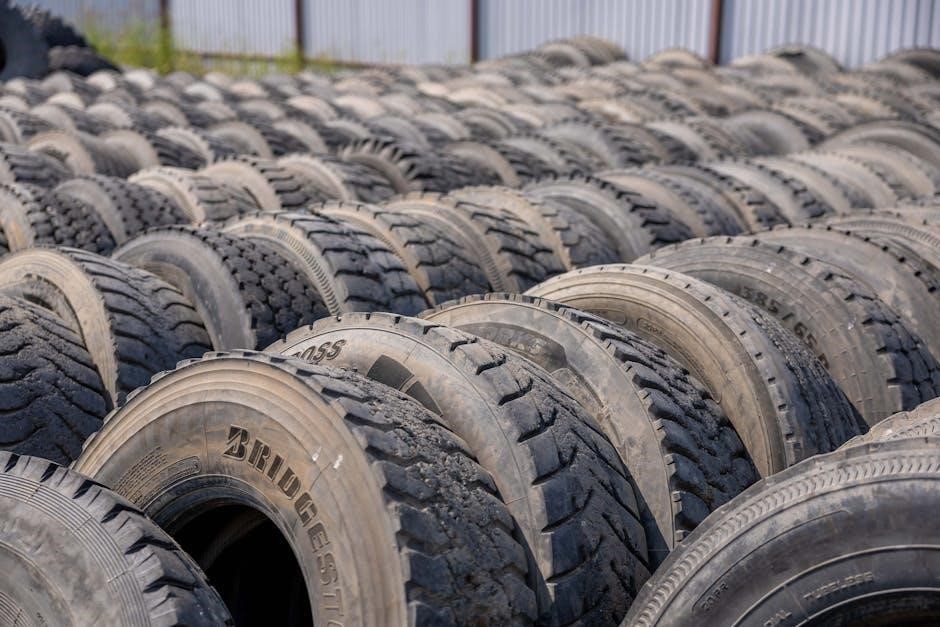
Understanding Load Range Letters (LR)
Load Range (LR) letters signify the tire’s strength and maximum inflation pressure. Lower ranges‚ like LR B‚ are for lighter loads‚ while higher ranges – C‚ D‚ E‚ and beyond – support heavier trailers. Each range corresponds to a specific maximum load capacity‚ crucial for matching tires to your trailer’s weight.
For example‚ an LR D tire can handle more weight than an LR C. It’s essential to consult a load index chart to determine the precise weight capacity for each LR. Exceeding the load capacity compromises safety and tire longevity. Always prioritize selecting a load range that meets or exceeds your trailer’s Gross Vehicle Weight Rating (GVWR)‚ including cargo.
Remember that higher load ranges often require higher inflation pressures‚ so regular monitoring is key. Proper inflation ensures optimal performance and prevents premature wear.
Load Index Charts Explained
Load index charts are vital tools for determining a tire’s carrying capacity. These charts correlate a numerical code with the maximum weight a single tire can support at a specified inflation pressure. Each tire sidewall displays a load index number; referencing the chart reveals the corresponding weight in pounds or kilograms.
Understanding these charts is crucial because the load index‚ combined with the load range‚ dictates whether a tire is suitable for your trailer. Charts vary slightly between manufacturers‚ so always use the chart specific to the tire brand you’re considering.
Carefully compare the tire’s load index to your trailer’s axle weight to ensure adequate support. Never underestimate the importance of accurate weight calculations and chart interpretation for safe towing.
Matching Load Range to Trailer Weight
Precisely matching the trailer’s weight to the tire’s load range is paramount for safety and longevity. Load range‚ indicated by letters like LR B‚ C‚ D‚ E‚ and H‚ signifies the tire’s maximum load-carrying capacity at a specific inflation pressure.
Heavier trailers necessitate higher load range tires. For instance‚ a light-duty utility trailer might suffice with LR C‚ while a substantial travel trailer demands LR D or E. Always calculate the total trailer weight‚ including cargo‚ and divide by the number of tires to determine the required load capacity per tire.
Overloading tires drastically reduces their lifespan and increases the risk of failure. Conversely‚ using tires with excessively high load ranges can result in a harsh ride. Consult load index charts alongside load range to ensure optimal performance.
Tire Dimensions: Width‚ Aspect Ratio‚ and Diameter
Understanding tire dimensions – width‚ aspect ratio‚ and diameter – is vital for proper fit and performance. These factors directly influence handling and stability.
Tire Width and its Impact
Tire width‚ measured in inches‚ significantly impacts a trailer’s stability and load-carrying capacity. Wider tires generally provide a larger contact patch‚ enhancing grip and distributing weight more effectively. However‚ increased width can also lead to higher rolling resistance‚ potentially reducing fuel efficiency.
Choosing the correct width involves balancing these factors with the trailer’s specific application and load requirements. A wider tire might be beneficial for heavier loads or challenging terrains‚ while a narrower tire could suffice for lighter-duty tasks. It’s crucial to consult load charts and adhere to the manufacturer’s recommendations to ensure optimal performance and safety. Improper width selection can compromise handling and potentially lead to tire failure.
Furthermore‚ consider the available space within the wheel well to avoid rubbing or interference.
Aspect Ratio Explained
Aspect ratio‚ expressed as a percentage‚ defines the sidewall height relative to the tire width. It’s a critical component of the tire size designation‚ influencing ride comfort and handling characteristics. A lower aspect ratio (e.g.‚ 55) indicates a shorter sidewall‚ resulting in a stiffer ride and more responsive steering. Conversely‚ a higher aspect ratio (e.g.‚ 75) provides a taller sidewall‚ offering greater cushioning and improved load-carrying capability.

For trailers‚ selecting the appropriate aspect ratio is vital for maintaining stability‚ especially when towing heavier loads. Higher aspect ratios are often preferred for utility and cargo trailers‚ while travel trailers may benefit from a balance between comfort and control. Always adhere to the trailer manufacturer’s specifications for optimal performance.
Wheel Diameter Considerations
Wheel diameter‚ measured in inches‚ is the final element in the tire size code and dictates the overall wheel and tire assembly’s dimensions. Compatibility between the wheel diameter and the trailer’s axle is paramount; using an incorrect diameter can compromise safety and handling. Common trailer wheel diameters include 13‚ 14‚ 15‚ and 16 inches‚ with larger diameters often paired with higher load-capacity tires.
When replacing tires‚ ensure the new tires match the existing wheel diameter. Altering the diameter necessitates a wheel change‚ which can involve modifications to the trailer’s suspension and braking systems. Always consult the trailer’s owner’s manual or a qualified tire professional to confirm the correct wheel diameter for your specific application.

Radial vs. Bias Ply Trailer Tires
Trailer tires come in radial and bias ply constructions‚ each offering distinct advantages. Radials provide better handling and fuel efficiency‚ while bias ply tires are generally more affordable.
Radial Tire Advantages for Trailers
Radial tires offer significant performance benefits for trailers‚ making them increasingly popular. Their construction‚ featuring a casing with cords running radially across the tire‚ leads to a smoother ride and improved stability‚ especially at higher speeds.
Compared to bias ply tires‚ radials exhibit lower rolling resistance‚ contributing to better fuel economy during towing. This is a substantial advantage for long journeys. Furthermore‚ the flexible sidewalls of radial tires enhance road contact‚ resulting in superior handling and braking capabilities.
Radial tires also tend to run cooler than bias ply tires‚ reducing the risk of tire failure due to heat buildup. While generally more expensive upfront‚ their durability and enhanced performance often make them a cost-effective choice in the long run‚ particularly for frequent trailer users.
Bias Ply Tire Characteristics
Bias ply tires‚ a traditional trailer tire construction‚ feature casing plies that run diagonally from bead to bead. This design results in a stiffer sidewall‚ offering excellent load-carrying capacity and resistance to damage from impacts‚ like hitting potholes or curbs.
Historically‚ bias ply tires were the standard for trailers due to their robustness and lower initial cost. However‚ they generally provide a less comfortable ride compared to radial tires‚ transmitting more road vibrations to the trailer.

Bias ply tires also exhibit higher rolling resistance‚ potentially reducing fuel efficiency; While still suitable for certain applications‚ particularly short-distance hauling or trailers requiring maximum durability‚ radials are often preferred for their overall performance advantages.
Choosing Between Radial and Bias Ply
Selecting between radial and bias ply tires hinges on your specific trailer usage and priorities. For long-haul towing‚ frequent highway driving‚ and a smoother ride‚ radial tires are the clear choice‚ offering better fuel efficiency and handling.
If your trailer primarily handles short distances‚ operates on rough terrain‚ or requires maximum durability against impacts‚ bias ply tires remain a viable option. Consider the load capacity needed; both types are available in various load ranges.
A mix of tire types on a single trailer is generally discouraged‚ potentially leading to handling imbalances. Carefully evaluate your needs and budget to make the most informed decision for safe and efficient towing.
Cooper Roadmaster RM272 Series
Cooper has expanded the Roadmaster RM272 line with new sizes: 295/75R22.5‚ 11R22.5‚ and 11R24.5 (LR H)‚ ideal for demanding applications!
New Sizes Added: 295/75R22.5‚ 11R22.5‚ 11R24.5
Cooper Tire & Rubber Co. strategically broadened its Roadmaster RM272 series‚ responding to market demands with the addition of three crucial sizes. These include 295/75R22.5‚ 11R22.5‚ and 11R24.5‚ all designated with a Load Range H. This expansion directly addresses the needs of commercial trailer applications requiring robust and reliable tire performance.
The RM272 series is specifically engineered to withstand the rigorous conditions encountered by drop-deck trailers‚ offering enhanced durability and load-carrying capacity. These new sizes provide fleet operators with greater flexibility in tire selection‚ ensuring optimal compatibility and performance for their specific trailer configurations. Cooper’s commitment to innovation is evident in this strategic expansion‚ solidifying the RM272’s position as a leading choice for commercial trailer tires.
RM272 for Drop-Deck Trailers
The Cooper Roadmaster RM272 tire line is meticulously engineered to meet the demanding requirements of drop-deck trailers. These trailers‚ frequently used for hauling heavy machinery and oversized loads‚ necessitate tires capable of withstanding significant stress and delivering exceptional durability. The RM272 achieves this through a specialized construction and robust rubber compound.
Specifically designed for this application‚ the RM272 offers superior stability and load-carrying capacity‚ minimizing the risk of tire failure during transport. Cooper Tire recognizes the unique challenges faced by drop-deck operations and has tailored the RM272 to provide reliable performance and extended tread life. This focus ensures both safety and cost-effectiveness for operators in this specialized sector.
Trailer Wheel Size and Market Forecasts
Global market analysis indicates growth in trailer wheel volume and value‚ with forecasts extending to 2031‚ categorized by wheel size.
These projections inform industry trends.
Global Trailer Wheel Market Volume Forecast
Detailed analysis reveals the global trailer wheel market volume is projected to experience significant growth between 2017 and 2031. Forecasts‚ measured in thousands of units‚ are segmented specifically by wheel size‚ providing granular insights into demand across various applications. This data is crucial for manufacturers and suppliers to strategically align production and inventory.
The projections account for factors like increasing trailer usage in logistics‚ construction‚ and recreational sectors. Regional variations in demand are also considered‚ with emerging economies expected to contribute substantially to overall growth. Understanding these volume trends allows stakeholders to anticipate market shifts and capitalize on emerging opportunities. Accurate forecasting is paramount for sustained success in this dynamic industry.
Global Trailer Wheel Market Value Forecast
The global trailer wheel market value‚ forecasted in US millions (Mn)‚ is expected to rise steadily from 2017 through 2031. Similar to volume forecasts‚ this valuation is broken down by wheel size‚ offering a precise understanding of revenue potential within each segment. This detailed financial outlook is essential for investment decisions and strategic planning.
Key drivers influencing market value include fluctuating raw material costs‚ technological advancements in wheel design‚ and evolving regulatory standards. Premium wheel options‚ such as alloy wheels‚ are anticipated to command higher prices‚ contributing to overall market value growth. Analyzing these trends enables companies to optimize pricing strategies and maximize profitability within the competitive landscape.
Potential Tire Issues and Maintenance
Regular inspections are vital; impact damage and misalignment significantly affect trailer tires. Proactive maintenance‚ including proper inflation‚ extends tire life and ensures safety.
Impact Damage and Alignment
Trailer tires are susceptible to damage from road hazards. A significant impact‚ such as hitting a pothole or curb‚ can compromise the tire’s internal structure‚ leading to sidewall bulges‚ tread separation‚ or even a blowout. These impacts frequently knock the tire out of proper alignment.
Misalignment causes uneven wear‚ reducing tire lifespan and potentially affecting trailer stability. Regularly check for uneven tread wear patterns – a clear indicator of alignment issues. Furthermore‚ ensure proper wheel balancing to minimize vibrations and stress on the tires and suspension components. Addressing alignment promptly prevents further damage and maintains safe towing conditions.
Professional inspection after any noticeable impact is highly recommended to assess the extent of the damage and determine if the tire needs replacement.
Importance of Regular Tire Inspections
Consistent trailer tire inspections are paramount for safety and cost-effectiveness. Before each trip‚ and at least monthly during storage‚ thoroughly examine tires for signs of wear‚ damage‚ or inflation issues. Check tire pressure using a reliable gauge‚ ensuring it matches the manufacturer’s recommendations – found on the tire sidewall or trailer’s data plate.
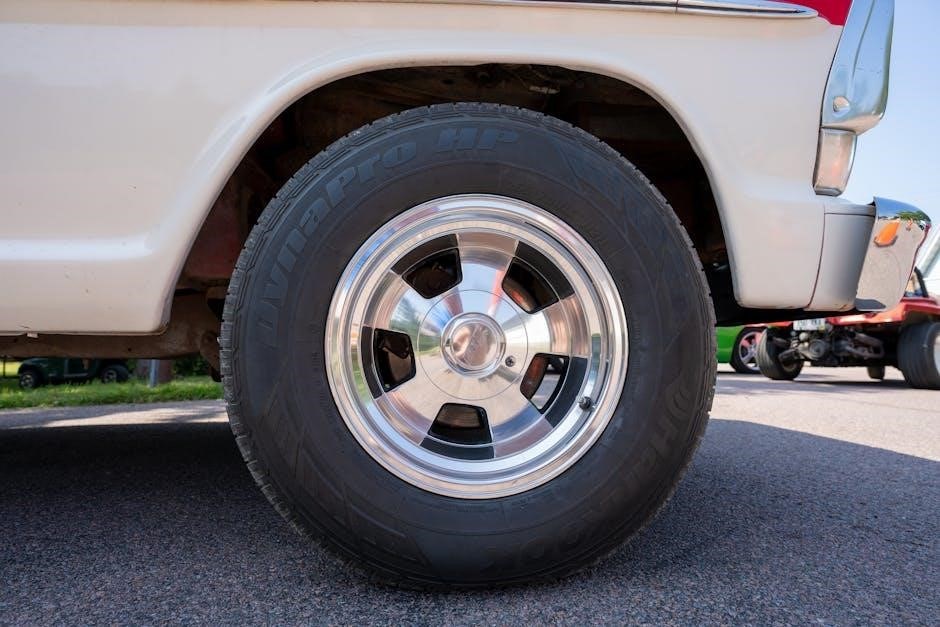
Inspect sidewalls for cracks‚ bulges‚ or cuts. Examine the tread for uneven wear‚ embedded objects‚ and sufficient depth. Look for any signs of dry rot‚ indicated by small cracks in the rubber. Early detection of these issues prevents potential blowouts and ensures optimal handling.
Documenting inspection dates and findings helps track tire condition and plan for timely replacements‚ maximizing safety and minimizing unexpected roadside repairs.